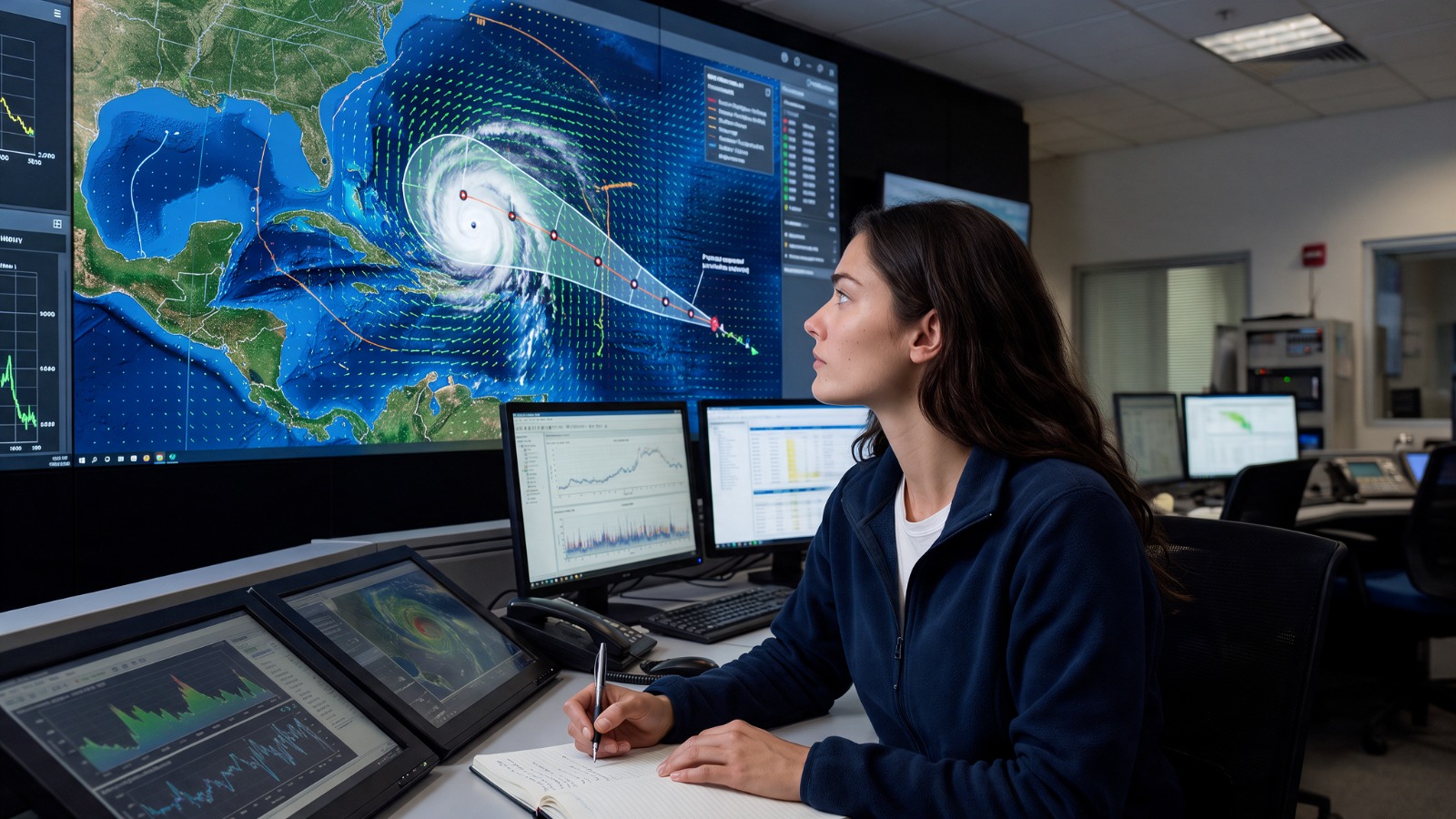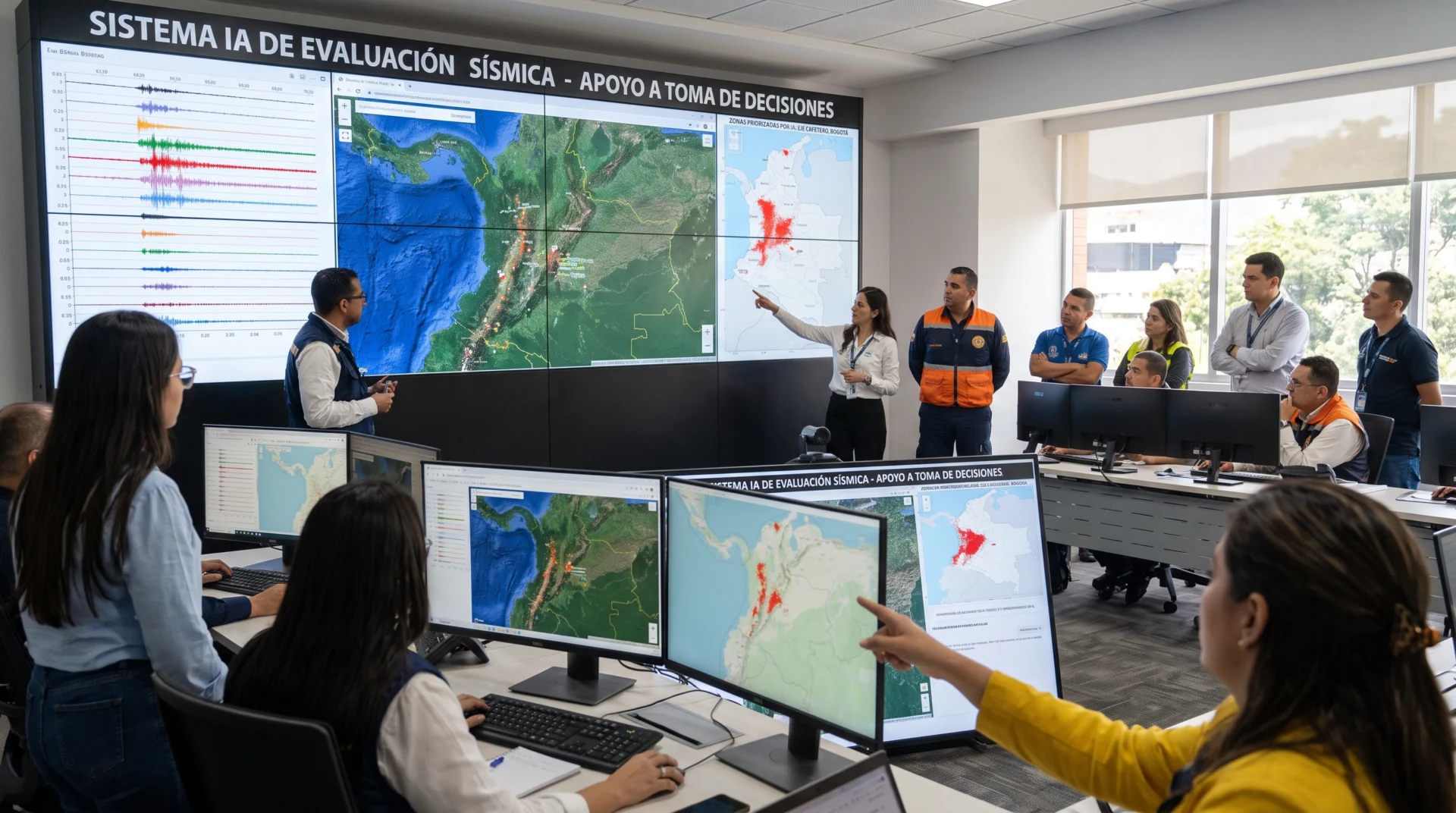
When the ground shakes, every second counts, and artificial intelligence is quietly becoming a tool that helps scientists and emergency teams move faster.
Earthquakes leave almost no room for delay. Within moments, communities need to assess damage, locate the epicenter and warn nearby areas before shaking arrives elsewhere. Artificial intelligence cannot predict when a quake will strike, but it is proving useful at analyzing massive volumes of seismic data, spotting patterns and classifying events faster than manual methods allow.
In Colombia, the Servicio Geológico Colombiano built Lakiy, a neural network system that detects, classifies and locates volcanic seismic events in real time. Volcanoes like Chiles can register thousands of tremors in a single day, and Lakiy already monitors Galeras, Chiles and Cerro Negro, with Argentina, Chile and Peru showing interest in adopting it. Meanwhile, early warning systems such as USGS ShakeAlert detect quakes after they begin, and research like the E3WS model shows AI can estimate magnitude from just three seconds of initial wave data with remarkable accuracy.
After the shaking stops, AI keeps helping by comparing satellite and drone imagery to flag damaged buildings and guide where emergency teams should focus first. The European Space Agency's 2025 challenge gathered participants from 40 countries working on exactly this problem. None of these tools replace human judgment, but they compress the time it takes to turn raw data into decisions that save lives.
- AI cannot predict earthquakes, but it speeds up detection, classification and damage assessment.
- Colombia's Lakiy system processes thousands of daily volcanic seismic events using neural networks.
- Early warning research like E3WS can estimate a quake's magnitude from just three seconds of data.
- Satellite and drone imagery, analyzed with AI, help prioritize where emergency teams respond first.