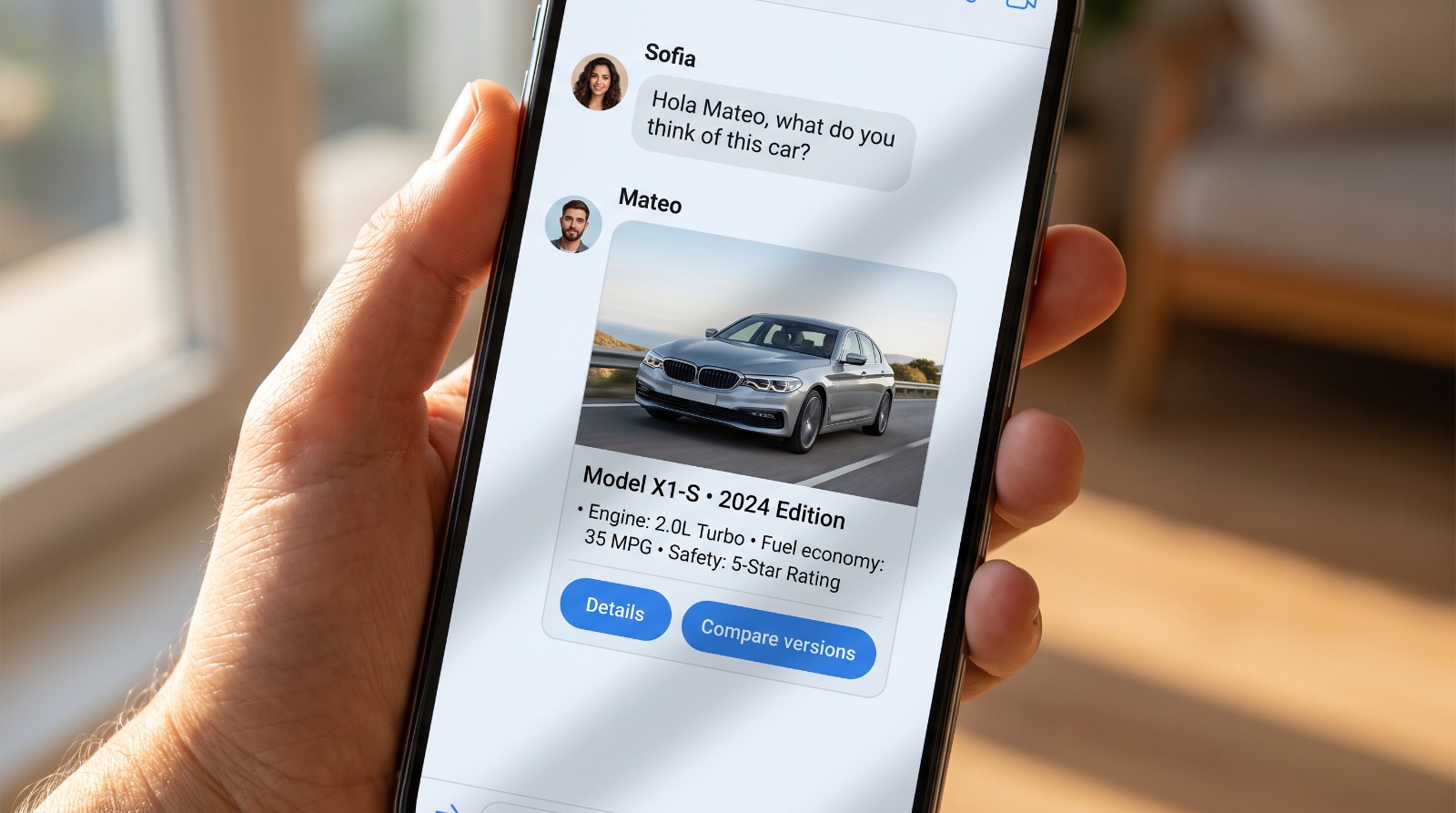
While a lead waits for a reply, a competitor may already be answering.
For years sales teams chased more leads, pouring budget into ads and new channels, yet many still fail at the simplest task: answering people who already raised their hand. Buyers now compare, research and decide across WhatsApp, forms and social media in minutes, so every minute of silence raises the risk of losing them to someone faster.
The article traces why teams fall behind: lead volume outpaces staff capacity, channels operate in isolation forcing agents to hunt for context, and office hours leave evening or weekend interest unanswered until the next business day. It also challenges a common shortcut: fast replies that are generic or scripted confirm receipt but solve nothing, so real responsiveness needs speed, context and continuity working together.
The piece shows how centralizing conversations, automating first responses, setting clear follow up rules and measuring attention times can close that gap, and how BIKY.ai's AI Sellers, Smart Chat, KB: Flows and analytics keep attention active around the clock so human advisors step in with full context, ready to negotiate rather than catch up. Heading into 2026 and 2027 planning, the question isn't only how many leads you generate, but how fast and how well you answer the ones you already have.
- Response speed now decides who wins the sale, not just who spends more on leads.
- Lead volume, siloed channels and office hours are the real causes of slow replies.
- Fast answers without context or follow up leave customers unconvinced.
- AI Sellers, Smart Chat and KB: Flows from BIKY.ai keep attention active 24/7.
- Growth in 2026 and 2027 may depend more on response quality than on new leads.