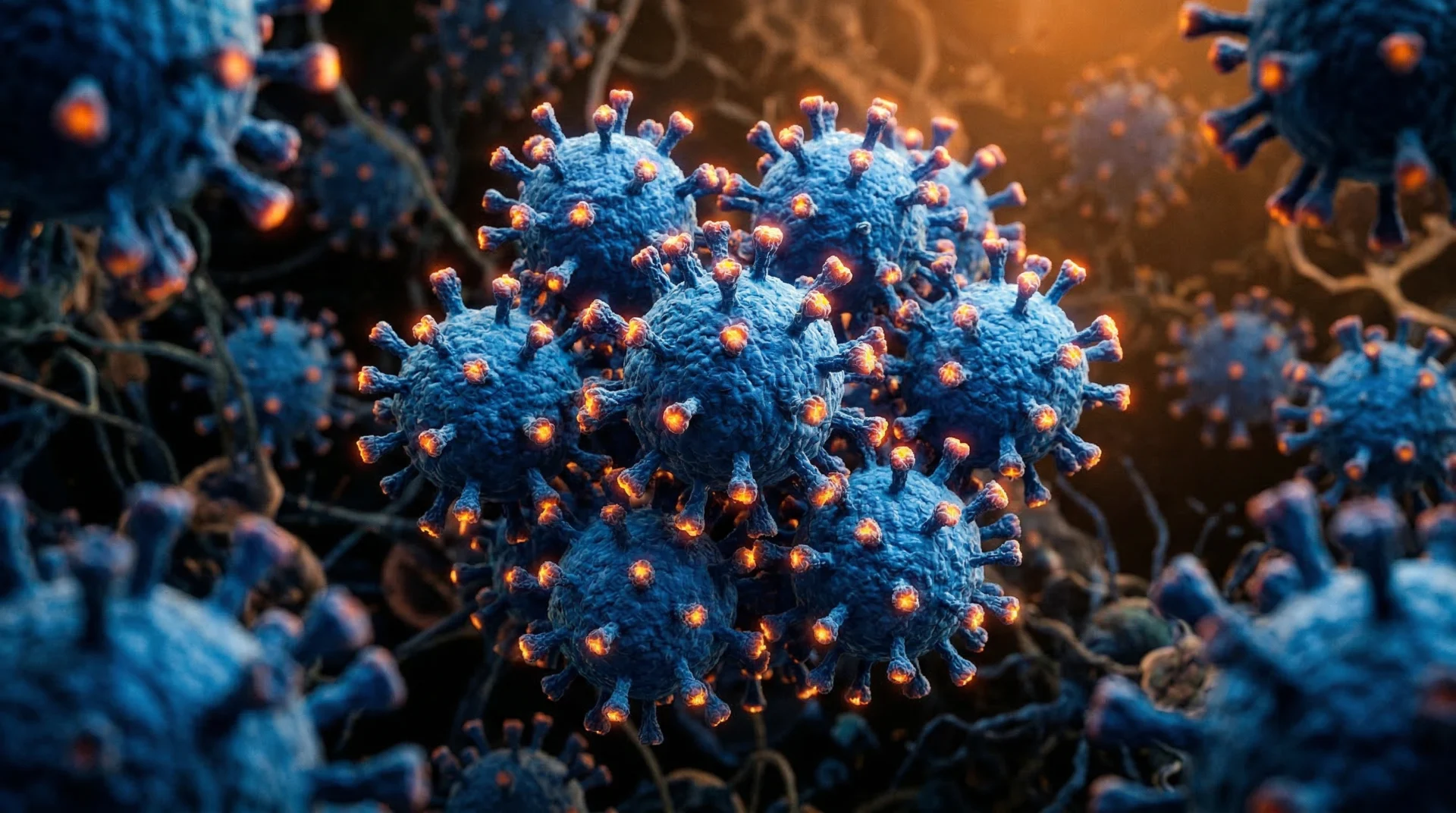
A soil bacterium is being reengineered to invade and dismantle tumors using biology instead of traditional drugs.
At the University of Waterloo in Canada, researchers are testing a radical idea: using bacteria that naturally avoid oxygen to colonize and destroy tumors from the inside out. The bacterium, Clostridium sporogenes, usually lives in soil, but it thrives in the oxygen-starved core that many solid tumors develop as cells die and accumulate.
Once bacterial spores reach that environment, they grow, feed on the tumor's own nutrients, and gradually break it down. To push further into the tumor's oxygen-richer edges, scientists added a gene that boosts the bacterium's oxygen tolerance, but only switched on once enough bacteria gather in one place, thanks to a built-in safety mechanism called quorum sensing.
The approach is still early stage, with preclinical studies ahead before anything moves closer to patients. Still, it reflects a broader shift in cancer research toward solutions borrowed directly from biology. Read the full story on biky.ai for the science behind this surprising ally against cancer.
- Clostridium sporogenes naturally grows in low-oxygen environments like tumor cores
- A genetic tweak lets the bacterium tolerate oxygen at the tumor's edges
- Quorum sensing activates that ability only when enough bacteria have gathered
- The method is in early preclinical research, not yet tested in patients
- It reflects a growing trend of biology-based solutions in cancer treatment